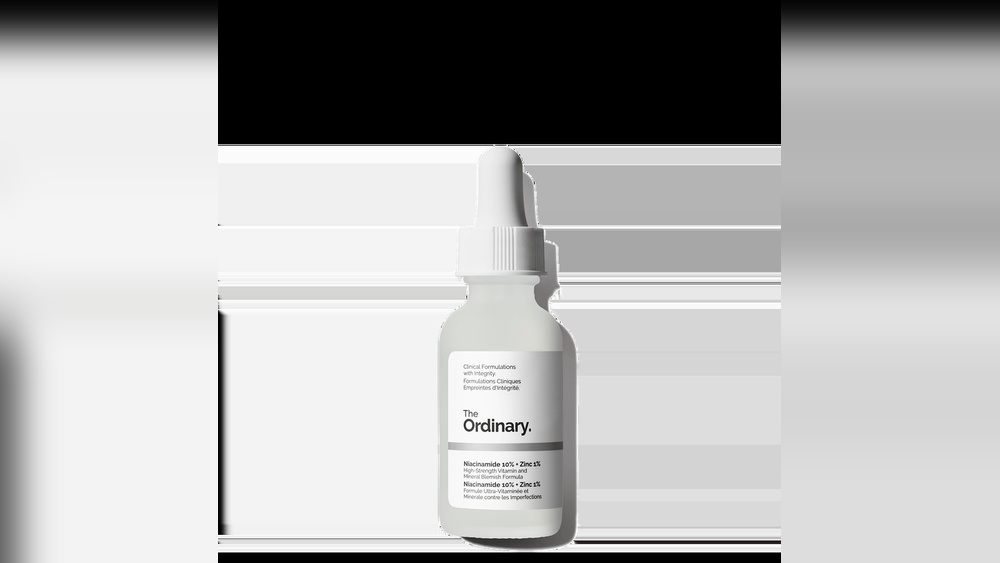
Niacinamide is a popular ingredient in skin care. Many people use it to help their skin look better. But what is niacinamide? How does it work? And why do so many products have it? This article will explain niacinamide in an easy way.
What Is Niacinamide?
Niacinamide is a form of vitamin B3. Vitamins are good for your body. Vitamin B3 helps your skin stay healthy. It is also called nicotinamide. You can find niacinamide in foods like meat, fish, and nuts.
In skin care, niacinamide is used as a serum or cream. It helps the skin in many ways. People like it because it is gentle and works for most skin types.
How Does Niacinamide Help Your Skin?
Niacinamide has many benefits. Here are some of the main ways it helps:
- Reduces redness and blotchiness. It calms irritated skin.
- Improves skin’s barrier. This helps skin keep moisture inside.
- Reduces fine lines and wrinkles. It makes skin look smoother.
- Fights acne. It helps reduce pimples and spots.
- Lightens dark spots. It can even out skin color.
- Controls oil. It helps oily skin feel less shiny.
These benefits make niacinamide a good choice for many skin problems. It works well for dry, oily, and sensitive skin.
Why Is Niacinamide Good for Sensitive Skin?
Some skin care ingredients can irritate skin. Niacinamide is gentle and does not cause much irritation. It helps skin stay calm and healthy. People with redness or rosacea often use niacinamide products. It makes the skin feel better without burning or itching.

Credit: eclatbody.com
Niacinamide and Acne
Acne happens when pores get clogged with oil and dead skin. Bacteria grow and cause pimples. Niacinamide helps by reducing oil production. It also lowers inflammation, so pimples heal faster. Many acne products have niacinamide because it helps clear skin gently.
Niacinamide for Anti-Aging
As we get older, skin loses moisture and firmness. Wrinkles and fine lines appear. Niacinamide helps skin stay firm and smooth. It boosts the skin’s ability to hold water. This makes skin look plump and fresh. Using niacinamide regularly can make skin look younger.
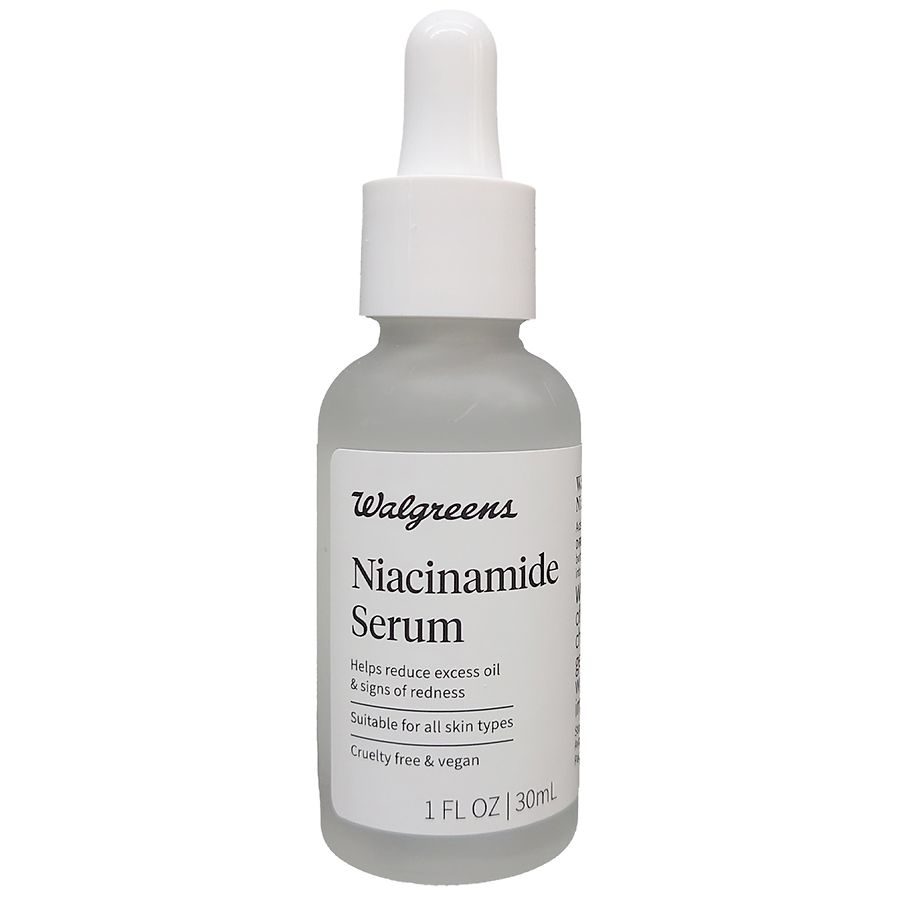
Credit: www.walgreens.com
How to Use Niacinamide in Your Skin Care
Using niacinamide is simple. Most products have it in a serum or cream form. Here are some tips:
- Apply niacinamide after cleansing your face.
- Use it before moisturizer.
- Start with a small amount to see how your skin reacts.
- You can use it in the morning and at night.
- Combine with other products like hyaluronic acid for more moisture.
Niacinamide works well with many skin care ingredients. It is safe to use with vitamin C, retinol, and others. But always test new products on a small skin patch first.
Are There Any Side Effects?
Niacinamide is safe for most people. Side effects are rare. Sometimes, skin may feel a little itchy or red at first. This usually goes away after a few uses.
If you feel strong burning or irritation, stop using the product. Talk to a doctor if you have very sensitive skin or allergies.
How Much Niacinamide Should You Use?
Most skin care products have niacinamide in 2% to 10% concentration. For beginners, start with 5% or less. This is enough to see benefits without irritation. Higher concentrations can work faster but may cause more irritation.
Check the product label to see the niacinamide percentage. Choose what fits your skin needs.
Foods That Contain Niacinamide
Besides skin care, niacinamide comes from food. Eating healthy can help your skin from inside.
| Food | Niacinamide (Vitamin B3) Content |
|---|---|
| Chicken breast | 7 mg per 100 grams |
| Tuna | 10 mg per 100 grams |
| Peanuts | 12 mg per 100 grams |
| Brown rice | 5 mg per 100 grams |
| Green peas | 2 mg per 100 grams |
Eating these foods helps your body get enough vitamin B3. This supports healthy skin and overall health.
Niacinamide vs. Niacin
Niacinamide and niacin are both forms of vitamin B3. But they are different.
- Niacinamide: Used in skin care. Does not cause flushing (red skin).
- Niacin: Can cause flushing when taken as a supplement. Used for cholesterol control.
For skin care, niacinamide is the better choice. It is gentle and has many skin benefits.
Final Thoughts on Niacinamide
Niacinamide is a helpful ingredient for skin care. It works for many skin types and problems. You can use it to calm skin, fight acne, and reduce signs of aging.
Its gentle nature makes it safe for most people. It also works well with other skin care products. Whether you have dry, oily, or sensitive skin, niacinamide can help.
Remember to start slowly and watch how your skin reacts. Use products with a moderate amount of niacinamide. And enjoy healthier, smoother skin over time.
Adding niacinamide to your routine can be a simple step toward better skin.
Frequently Asked Questions
What Is Niacinamide Used For In Skincare?
Niacinamide helps reduce redness, improve skin tone, and control oil production.
Can Niacinamide Reduce Acne And Pimples?
Yes, niacinamide lowers inflammation and helps clear acne-causing bacteria.
How Often Should I Apply Niacinamide Serum?
Use niacinamide serum once or twice daily for best results.
Is Niacinamide Safe For Sensitive Skin Types?
Niacinamide is gentle and usually safe for sensitive and dry skin.
