
Taking care of a pet means giving it the right food. Pet food is very important. It helps pets stay healthy and happy. But choosing the right food can be hard.
Why Is Pet Food Important?
Just like people, pets need good food to live well. Good pet food gives them energy. It helps pets grow strong muscles and bones. It also keeps their skin and fur healthy.
Bad food can make pets sick. It can cause allergies or stomach problems. So, feeding your pet the right food is a big job.
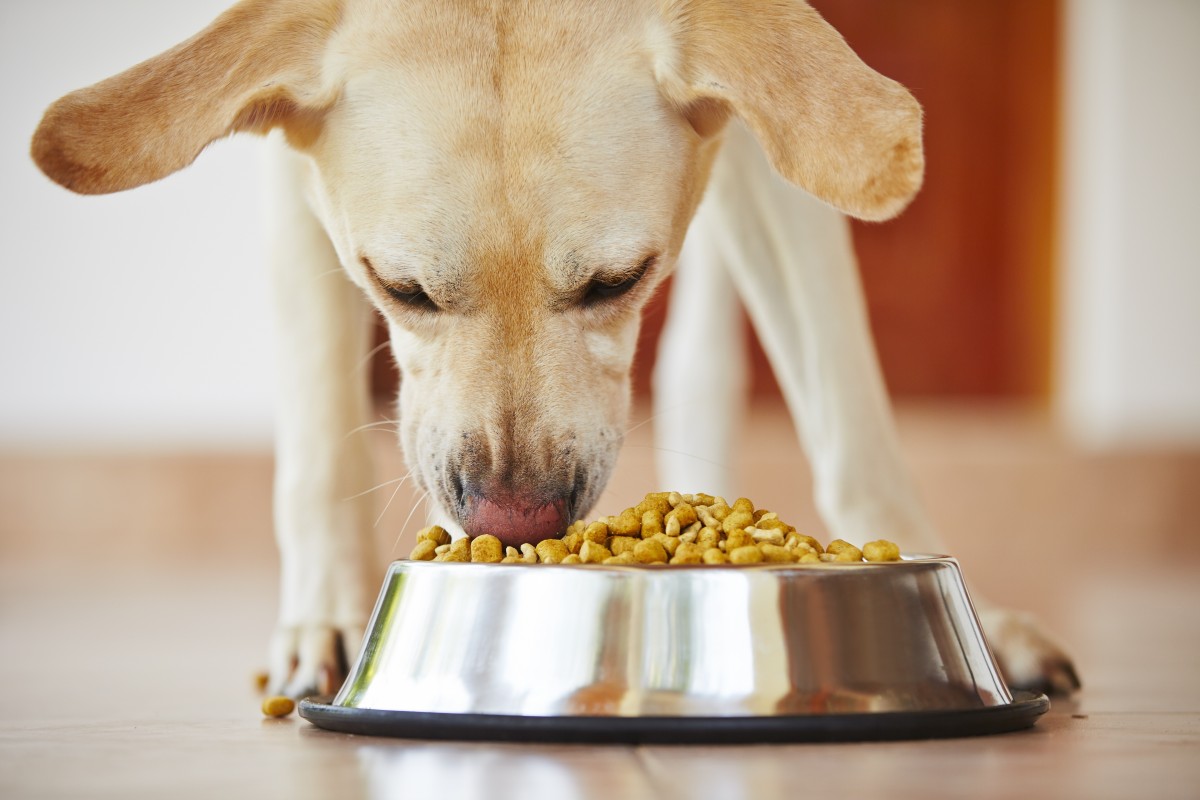
Credit: vetmed.tamu.edu
Types of Pet Food
There are many types of pet food. You can choose wet food, dry food, or raw food. Each type has good and bad points.
Dry Pet Food
Dry food is also called kibble. It is hard and crunchy. Many pets like it. It helps clean their teeth while they chew.
Dry food stays fresh longer. It is easy to store and use. But some pets may not like dry food if they have bad teeth.
Wet Pet Food
Wet food comes in cans or pouches. It has more water than dry food. This helps pets stay hydrated.
Wet food often smells good and tastes better to pets. But it can spoil faster once opened.
Raw Pet Food
Raw food means feeding pets fresh meat, bones, and vegetables. Some pet owners like raw food because it is natural.
But raw food can be risky. It may have bacteria that make pets sick. Always talk to a vet before giving raw food.
What Ingredients Are in Pet Food?
Pet food has many ingredients. Some are good, and some are not. It is important to read the label.
| Ingredient | Why It Is Good | What To Watch For |
|---|---|---|
| Meat | High in protein, good for muscles | Avoid meat by-products that have low quality |
| Grains | Provide energy, good source of fiber | Some pets may be allergic to grains |
| Vegetables | Give vitamins and minerals | Some vegetables can be hard to digest |
| Fats and Oils | Help with energy and skin health | Too much fat can cause weight gain |
| Preservatives | Keep food fresh longer | Avoid artificial preservatives that may harm pets |
How to Choose the Right Pet Food
Choosing pet food depends on many things. Age, size, and health matter a lot.
- Age: Puppies and kittens need food for growth. Adult pets need food for energy. Older pets may need special food.
- Size: Small pets eat less and may need smaller pieces. Big pets need food with more calories.
- Health: Pets with allergies or illnesses may need special diets.
- Activity Level: Active pets burn more calories and need more energy.
Always ask your vet for advice. They know what food is best for your pet.
How Much Food Should You Give Your Pet?
Giving the right amount of food is important. Too much food can make pets fat. Too little can make them weak.
Most pet food packages have feeding guides. These guides help you know how much to feed. But every pet is different.
Watch your pet’s weight and energy. If your pet gains too much weight, feed less. If your pet looks thin, feed more.
Tips for Feeding Your Pet
- Feed pets at the same time every day.
- Use clean bowls for food and water.
- Do not change food suddenly; change slowly over days.
- Keep fresh water available all the time.
- Store pet food in a dry, cool place.
Homemade Pet Food: Is It a Good Idea?
Some people want to make food at home for pets. This can be good if done right.
Homemade food can have fresh ingredients. But it can miss important nutrients. Pets need a balanced diet with vitamins and minerals.
Always talk to a vet before giving homemade food. The vet can help make a good plan.
Common Mistakes in Feeding Pets
- Feeding pets human food, which can be harmful.
- Giving too many treats.
- Ignoring pet’s weight changes.
- Not reading the label on pet food.
- Feeding spoiled or expired food.

Credit: www.iff.com
How to Read Pet Food Labels
Reading pet food labels helps you choose better food. Here is what to look for:
- Ingredients: The first ingredients are the most in the food.
- Guaranteed Analysis: Shows protein, fat, fiber, and moisture.
- Feeding Instructions: Tells how much to give your pet.
- Expiration Date: Make sure food is fresh and safe.
- Manufacturer Information: Shows who made the food.
Special Diets for Pets
Some pets need special diets. These are made for health problems or allergies.
For example, pets with kidney problems need low-protein food. Pets with allergies may need grain-free food.
Only use special diets if a vet says so. Wrong diets can hurt your pet.
Frequently Asked Questions
What Ingredients Should I Look For In Pet Food?
Choose pet food with real meat, vegetables, and whole grains for balanced nutrition.
How Often Should I Feed My Pet Daily?
Most pets eat twice a day; puppies and kittens may need more frequent meals.
Is Wet Or Dry Pet Food Better For Pets?
Both have benefits; wet food adds moisture, dry food helps keep teeth clean.
Can Homemade Food Replace Commercial Pet Food?
Homemade food can work but needs careful balance to meet all pet nutrition needs.
Conclusion
Feeding your pet the right food is very important. It keeps them healthy and happy.
There are many types of pet food. Dry, wet, and raw food all have good points. Choose food based on your pet’s needs and health.
Always read labels and ask your vet for advice. Feed the right amount and watch your pet’s health.
Your pet depends on you for good food. Give them the best you can.
